
LASIK
Laser-Assisted In Situ Keratomileusis
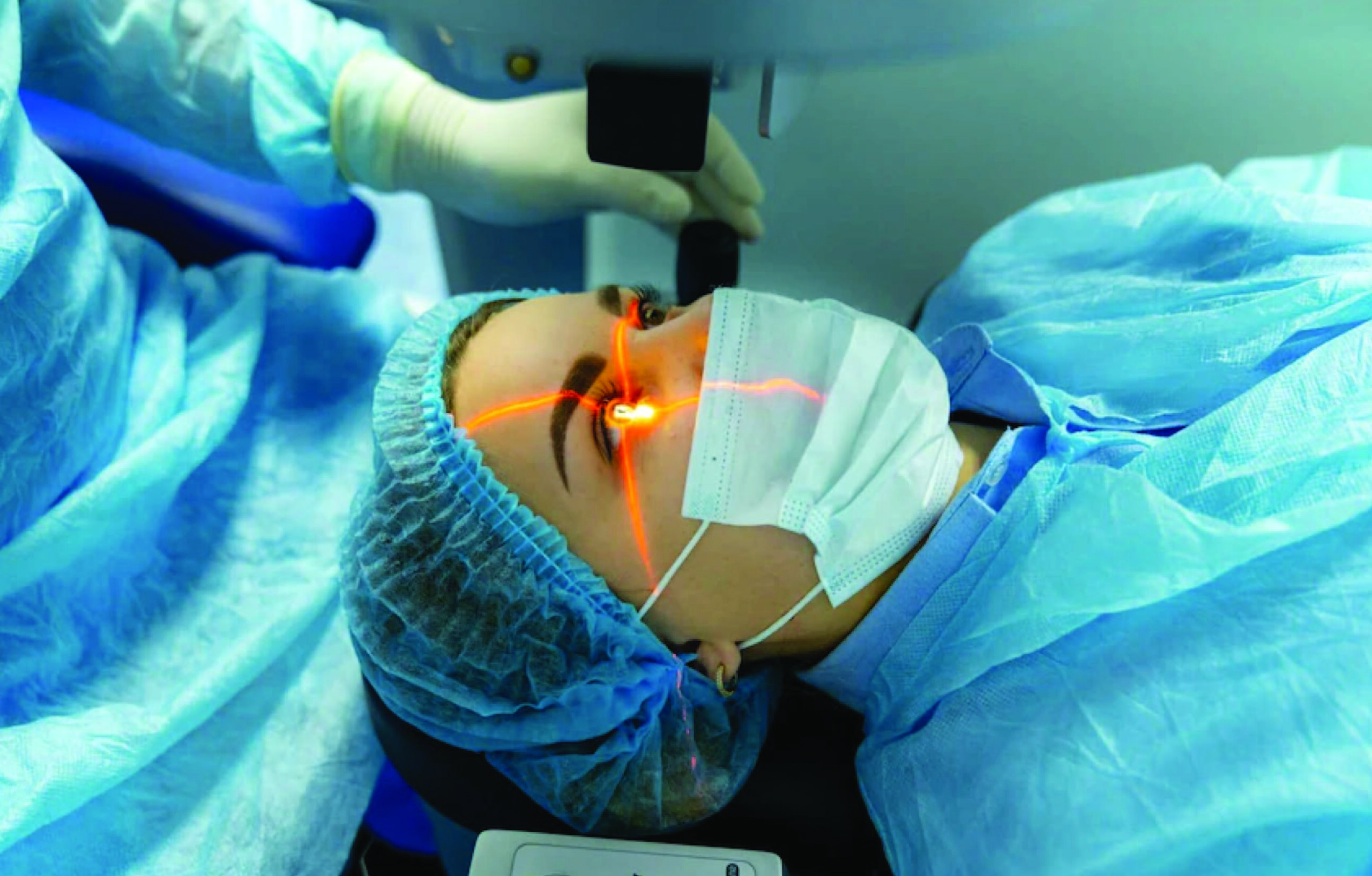
LASIK, short for Laser-Assisted In Situ Keratomileusis, is a popular surgical procedure used to correct refractive vision problems like nearsightedness (myopia), farsightedness (hyperopia), and astigmatism. It’s a type of refractive surgery that reshapes the cornea, the clear front part of the eye, to improve vision without the need for glasses or contact lenses.
Here's an overview of the PRK procedure:
Preoperative Evaluation
Before the surgery, you’ll undergo a comprehensive eye examination to determine if you are a suitable candidate for LASIK. This includes assessing the thickness and shape of your cornea, measuring your refractive error, and checking for other eye conditions.
Creating a Flap
In LASIK, a thin flap is created on the surface of the cornea. This can be done using either a microkeratome (a specialized surgical instrument) or a femtosecond laser. The flap allows the surgeon to access the underlying corneal tissue.
Reshaping the Cornea
A specialized excimer laser is used to remove a precise amount of corneal tissue based on your specific refractive error. For nearsightedness, the cornea is flattened, whereas for farsightedness, it’s made steeper. For astigmatism, the cornea is reshaped to a more regular shape.
Flap Repositioning
After the cornea is reshaped, the flap is carefully repositioned. It naturally adheres without the need for stitches.
Postoperative Care
You’ll receive instructions for postoperative care, which may include using prescribed eye drops to promote healing and reduce the risk of infection.
Recovery
You may experience improved vision almost immediately after the surgery, though it can take a few days for vision to stabilize.
Follow-up Appointments
ou’ll have several follow-up appointments with your eye surgeon to monitor your progress and ensure that your eyes are healing properly.
LASIK is known for its quick recovery time and high success rate. Most people experience significant improvements in their vision and can resume normal activities within a day or two after surgery.
It’s worth noting that while LASIK is a highly effective procedure for many individuals, it may not be suitable for everyone. Factors such as age, the stability of your vision prescription, and the health of your eyes will be considered during the preoperative evaluation.