

Glaucoma Surgery
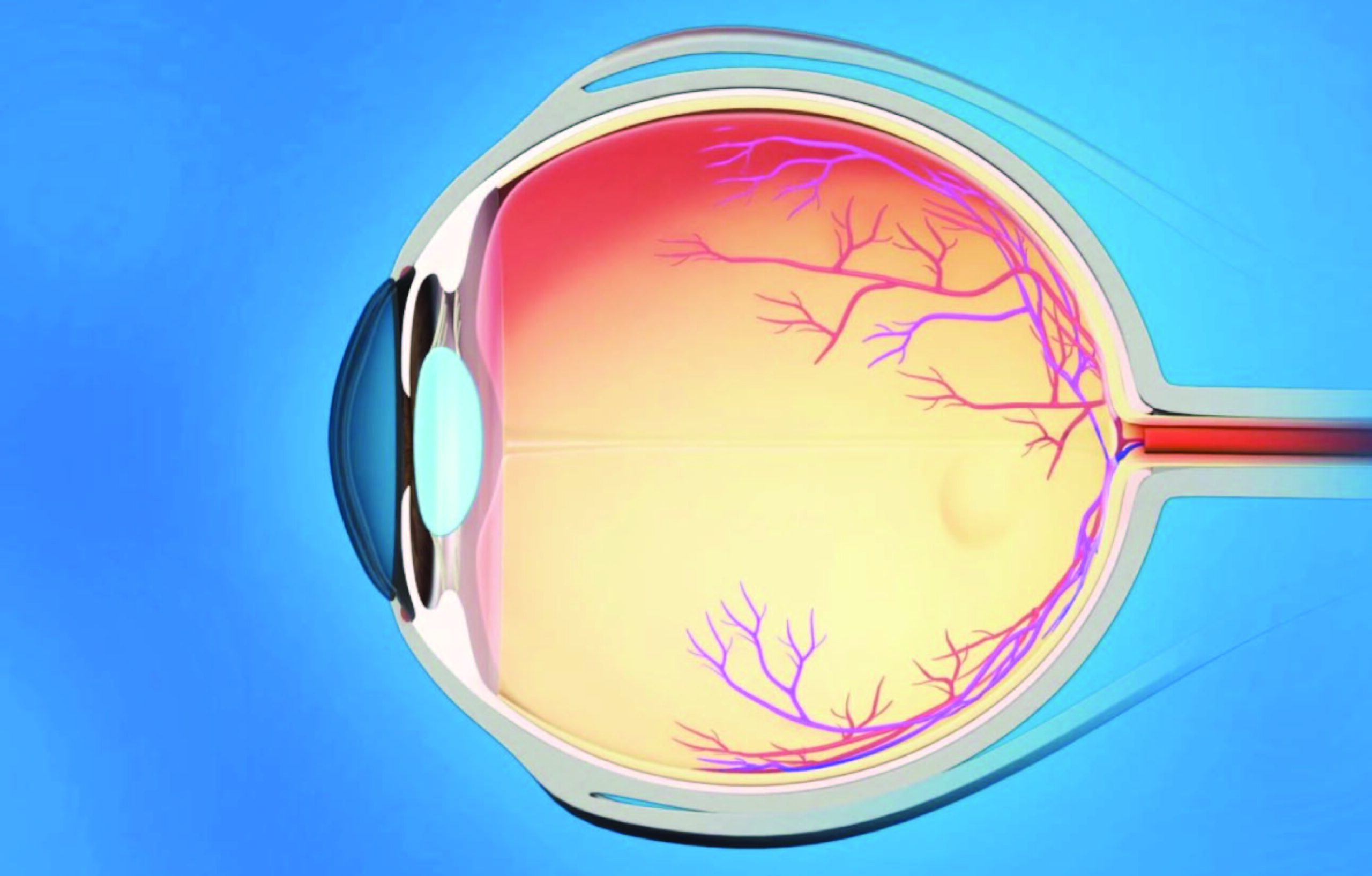
Glaucoma Surgery
Glaucoma surgery is a procedure performed to lower intraocular pressure (IOP) in the eye. It is typically done when other treatments, such as medications or laser therapy, have not effectively controlled the condition. Glaucoma is a group of eye diseases characterized by damage to the optic nerve, often caused by elevated pressure within the eye.
There are several types of glaucoma surgery, and the specific procedure chosen will depend on the type and severity of glaucoma, as well as individual patient factors. Here are some common types of glaucoma surgery:
Trabeculectomy
In a trabeculectomy, a tiny flap is created in the sclera (the white part of the eye) to allow aqueous humor (the fluid in the eye) to drain out of the eye.
This procedure creates a new drainage pathway to lower intraocular pressure.
A small bleb (fluid-filled area) may form on the surface of the eye as a result.
Tube Shunt Surgery
A small silicone tube with a valve mechanism is implanted in the eye to facilitate drainage of aqueous humor.
The tube is connected to a plate, which is placed on the surface of the eye.
This procedure is typically reserved for more advanced or complicated cases of glaucoma.
Minimally Invasive Glaucoma Surgery (MIGS)
MIGS encompasses a range of newer surgical techniques that are less invasive than traditional glaucoma surgeries.
These procedures often involve the use of tiny devices to improve aqueous outflow or to lower intraocular pressure.
Laser Cyclophotocoagulation
This is a type of laser surgery that targets the ciliary body, which produces aqueous humor.
The laser treatment reduces the production of this fluid, lowering intraocular pressure.
Laser Trabeculoplasty
This procedure uses a laser to treat the drainage angle of the eye, improving the outflow of aqueous humor.
There are two types: Argon Laser Trabeculoplasty (ALT) and Selective Laser Trabeculoplasty (SLT).
Canaloplasty
Canaloplasty involves the creation of a new drainage canal using a microcatheter and the reinforcement of the canal with a suture.
This procedure aims to enhance the natural drainage of aqueous humor.
Cyclophotocoagulation (CPC)
This is a laser treatment that targets the ciliary body to decrease aqueous humor production.
Trabectome Surgery
This minimally invasive procedure uses a small device to remove a portion of the trabecular meshwork, which improves outflow of aqueous humor.
It’s important to note that the specific type of glaucoma surgery recommended will depend on the individual patient’s condition and the ophthalmologist’s evaluation.
As with any surgical procedure, there are risks associated with glaucoma surgery, and it’s crucial to discuss these with your ophthalmologist. They will provide you with detailed information about the benefits, risks, and expected outcomes of the specific procedure recommended for your case.