

Ptosis Surgery
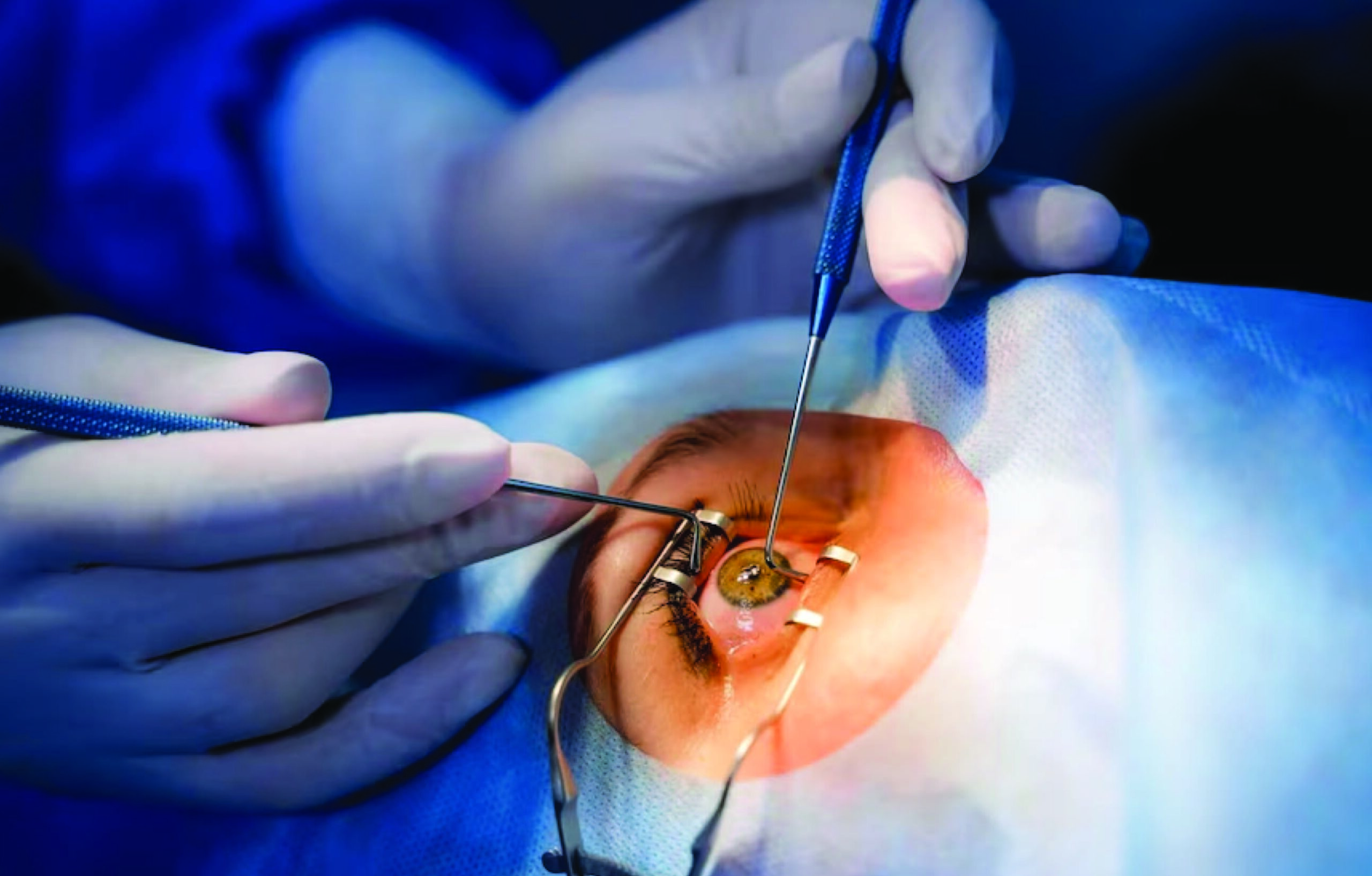
Ptosis Surgery
Ptosis surgery, also known as blepharoptosis surgery, is a procedure used to correct drooping of the upper eyelid(s). Ptosis can occur due to various reasons, including age-related changes, muscle weakness, nerve damage, or congenital factors. The condition can affect one or both eyelids and may lead to visual impairment if severe.
Here's an overview of ptosis surgery:
Preoperative Assessment
Before the surgery, a comprehensive eye examination is conducted to evaluate the extent of the ptosis and determine the best surgical approach. The position and function of the levator muscle (which raises the eyelid) and the condition of the eyelid tissues are assessed.
Anesthesia
Ptosis surgery is typically performed under local anesthesia, although in some cases, sedation may be used.
Levator Muscle Repair or Shortening
Depending on the underlying cause of ptosis, the surgeon may repair, tighten, or shorten the levator muscle to elevate the eyelid.
Muller's Muscle Resection
This procedure involves resecting a small portion of the Muller’s muscle, which can help elevate the eyelid.
Frontalis Sling
In cases of severe ptosis with poor levator muscle function, a frontalis sling may be used. This involves attaching the eyelid to the frontalis muscle in the forehead, which can help lift the eyelid when the forehead muscles contract.
Adjustment and Testing
The surgeon will make adjustments as needed to ensure the eyelid is positioned correctly. They may perform tests to verify the function and symmetry of both eyelids.
Postoperative Care
You’ll receive instructions for postoperative care, which may include using prescribed eye drops or ointments, applying cold compresses, and avoiding certain activities to promote healing.
Recovery and Follow-up
Recovery time can vary, but most patients can resume normal activities within a few days to a few weeks. Follow-up appointments with your ophthalmologist will be scheduled to monitor your progress.
Ptosis surgery is usually successful in improving the appearance and function of the eyelids. However, as with any surgical procedure, there are risks involved, and your surgeon will discuss these with you before the surgery.
Always consult with a qualified healthcare professional or ophthalmologist for the most current information regarding ptosis surgery.