
Laser Photocoagulation
Laser Photocoagulation
Laser photocoagulation is a medical procedure that uses a focused beam of light (laser) to treat various eye conditions. The term “photocoagulation” literally means “to create a controlled burn using light.” It is commonly used to treat conditions affecting the retina, which is the light-sensitive tissue at the back of the eye.
Here's an overview of laser photocoagulation:
Types of Lasers Used
Argon Laser: Commonly used for retinal conditions, such as diabetic retinopathy and certain types of retinal tears.
YAG Laser: Used to treat conditions of the anterior segment of the eye, such as posterior capsular opacification after cataract surgery.
Preoperative Assessment
Before the procedure, a comprehensive eye examination is conducted to determine the specific condition being treated and to plan the laser treatment accordingly.
Anesthesia
In most cases, laser photocoagulation is performed as an outpatient procedure without the need for general anesthesia. Eye drops are typically used to numb the surface of the eye.
Application of Laser
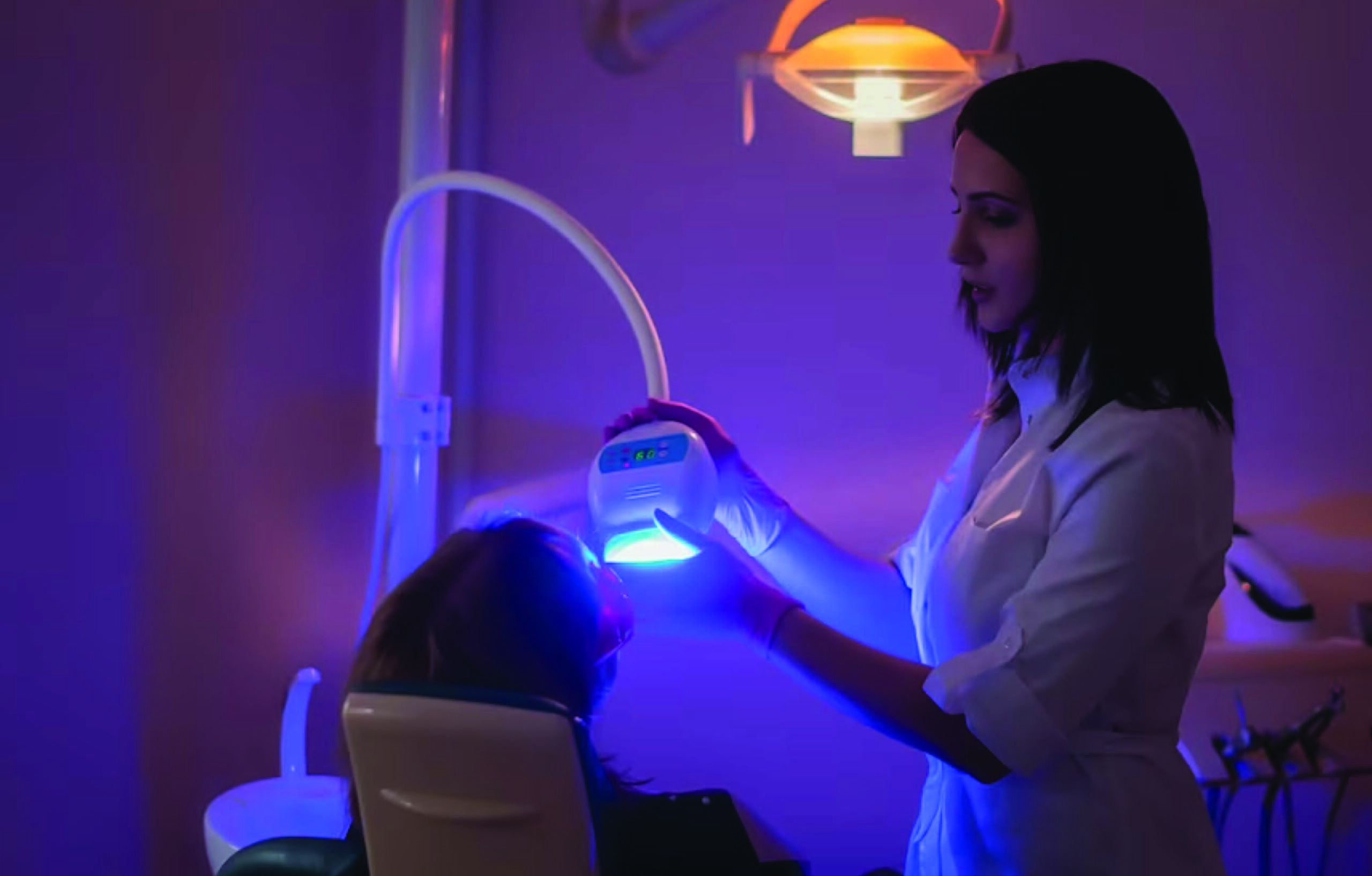
The ophthalmologist uses a specialized lens to focus the laser beam on the targeted area of the retina. The laser creates small, controlled burns in the tissue, which can help seal blood vessels or treat abnormal tissue growth.
Postoperative Care
Following laser photocoagulation, you’ll receive instructions for postoperative care. This may include using prescribed eye drops to prevent infection or reduce inflammation.
Recovery and Follow-up
Recovery time is usually quick, and most patients can resume normal activities shortly after the procedure. Follow-up appointments with your ophthalmologist will be scheduled to monitor your progress.
Postoperative Care
After the surgery, you’ll receive specific instructions for postoperative care. This may include using prescribed eye drops, avoiding certain activities, and attending follow-up appointments.
Laser photocoagulation is a highly effective and widely used treatment for various retinal conditions. However, like any medical procedure, it does carry some risks, and the specific benefits and risks will be discussed with you by your ophthalmologist.
Always consult with a qualified healthcare professional or ophthalmologist for the most current information regarding laser photocoagulation.