

Corneal Transplant
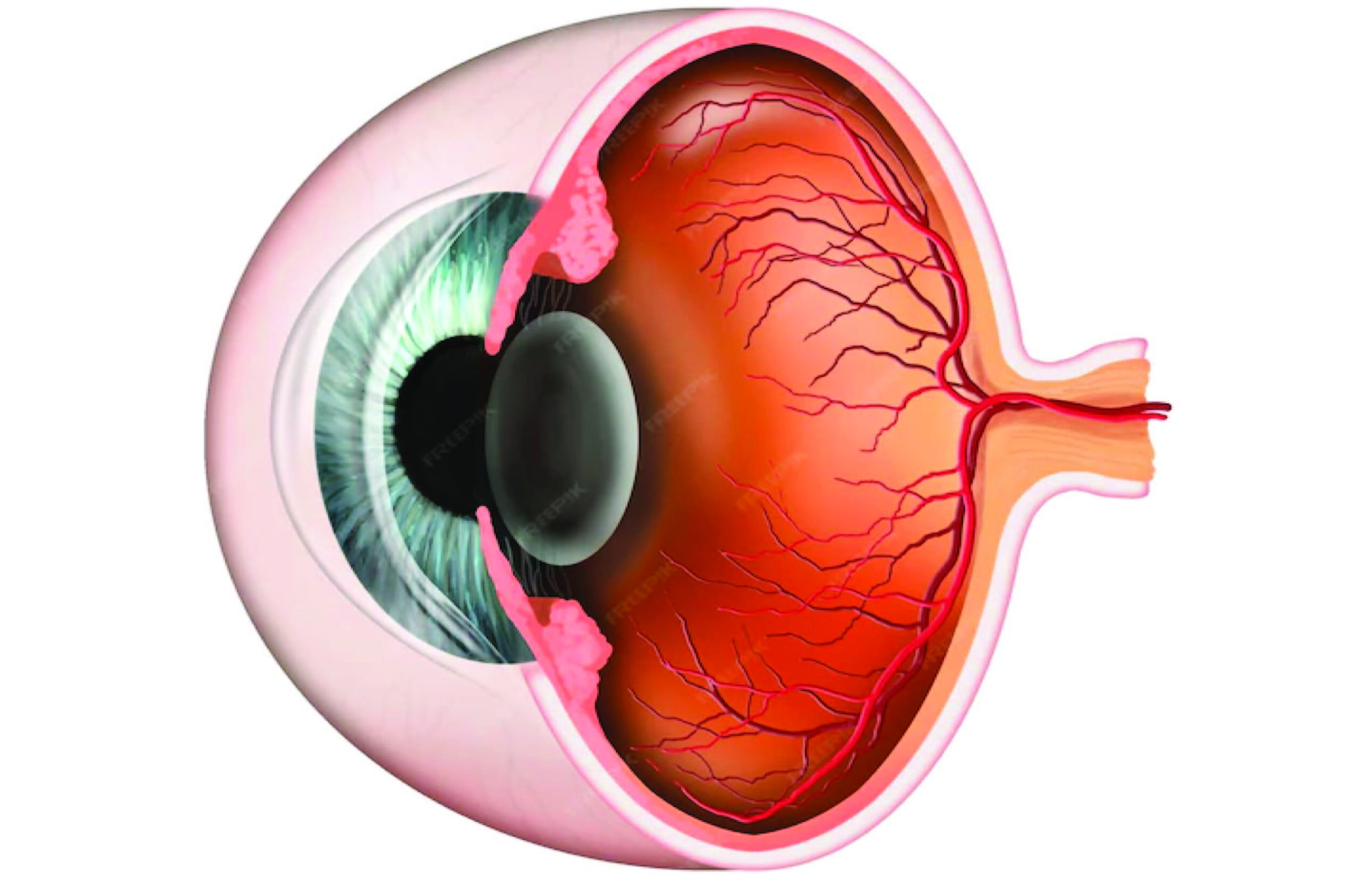
Corneal Transplant
A corneal transplant, also known as a corneal grafting or keratoplasty, is a surgical procedure in which a damaged or diseased cornea is replaced with a healthy cornea from a donor. The cornea is the clear, dome-shaped surface covering the front of the eye, and it plays a crucial role in focusing light onto the retina.
Here are the key steps involved in a corneal transplant:
Preoperative Assessment
Before the surgery, your ophthalmologist will conduct a thorough examination of your eyes to evaluate the condition of your cornea and determine if a transplant is necessary.
Donor Cornea Selection
A suitable donor cornea is obtained from an eye bank. Donor corneas are thoroughly screened and tested to ensure they are healthy and compatible with the recipient’s eye.
Minimally Invasive Glaucoma Surgery (MIGS)
MIGS encompasses a range of newer surgical techniques that are less invasive than traditional glaucoma surgeries.
These procedures often involve the use of tiny devices to improve aqueous outflow or to lower intraocular pressure.
Anesthesia
Corneal transplants are typically performed under local or regional anesthesia. You may also receive a sedative to help you relax during the procedure.
Corneal Removal
The damaged or diseased cornea is carefully removed from your eye using specialized surgical instruments.
Donor Cornea Placement
The healthy donor cornea is then prepared and sutured onto your eye using microsurgical techniques. The sutures hold the new cornea in place while it heals.
Closure of Incisions
If necessary, additional sutures may be used to close any incisions made during the surgery.
Postoperative Care
You’ll receive instructions for postoperative care, which may include using prescribed eye drops, wearing an eye shield, and avoiding certain activities to promote healing and reduce the risk of infection.
Recovery
It may take several weeks to months for the new cornea to fully integrate and for vision to stabilize. During this time, you’ll have follow-up appointments with your ophthalmologist to monitor your progress.
Corneal transplants can be performed for various reasons, including:
- Corneal Scarring: Due to injury or infection.
- Keratoconus: A condition where the cornea progressively thins and distorts.
- Fuchs’ Endothelial Dystrophy: A condition where the inner layer of the cornea (endothelium) fails to pump out water effectively.
- Corneal Degeneration: Caused by certain genetic disorders or diseases.
It’s important to note that corneal transplant surgery is considered highly successful, and it has a high rate of success in restoring vision. However, as with any surgery, there are risks involved, and your ophthalmologist will discuss these with you before the procedure.
Always consult with a qualified healthcare professional or ophthalmologist for the most current information regarding corneal transplant surgery.