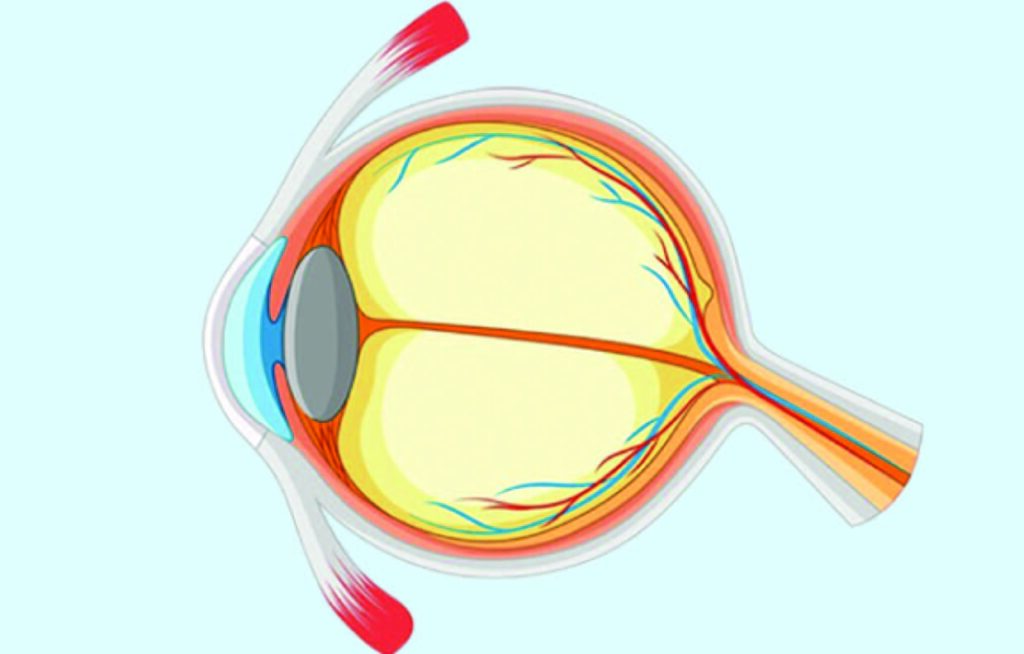
Cataracts occur when the natural lens of the eye becomes cloudy, leading to blurry vision.
Treatments:
Macular degeneration is a progressive eye disease that affects the macula, a part of the retina responsible for central vision. While there is no cure for macular degeneration, there are several treatments and interventions that can help manage the condition and slow its progression:
Lifestyle Changes:
Diet: Eating a diet rich in antioxidants, vitamins, and minerals can support eye health. This includes foods like leafy greens, colorful fruits and vegetables, fish high in omega-3 fatty acids, and nuts.
Smoking Cessation: Smoking is a known risk factor for macular degeneration, so quitting smoking can help slow its progression.
UV Protection: Wearing sunglasses that block harmful UV rays can help protect the eyes from further damage.
Regular Exercise: Engaging in regular physical activity can promote overall health and may be beneficial for eye health.
Blood Pressure and Cholesterol Control: Managing blood pressure and cholesterol levels is important for preventing or slowing the progression of macular degeneration.
Anti-VEGF Injections:
This is currently the most common and effective treatment for wet age-related macular degeneration (AMD). VEGF (vascular endothelial growth factor) is a protein that promotes the growth of abnormal blood vessels in the retina. Anti-VEGF drugs, such as ranibizumab (Lucentis), bevacizumab (Avastin), and aflibercept (Eylea), are injected into the eye to inhibit this growth.
Photodynamic Therapy (PDT):
PDT involves a combination of a light-activated drug (verteporfin) and a laser. It’s used to treat abnormal blood vessel growth in the eye associated with some forms of wet AMD.
Laser Therapy:
Laser therapy can be used to destroy abnormal blood vessels in the eye. However, this approach is less commonly used today due to advances in other treatments.
Low Vision Aids:
Devices such as magnifiers, telescopic lenses, and electronic magnification systems can help individuals with macular degeneration make the most of their remaining vision.
Retinal Translocation:
This is a surgical procedure where the macula is moved away from abnormal blood vessels and then repositioned to a healthier area of the retina.