
Pterygium Surgery
Pterygium Surgery
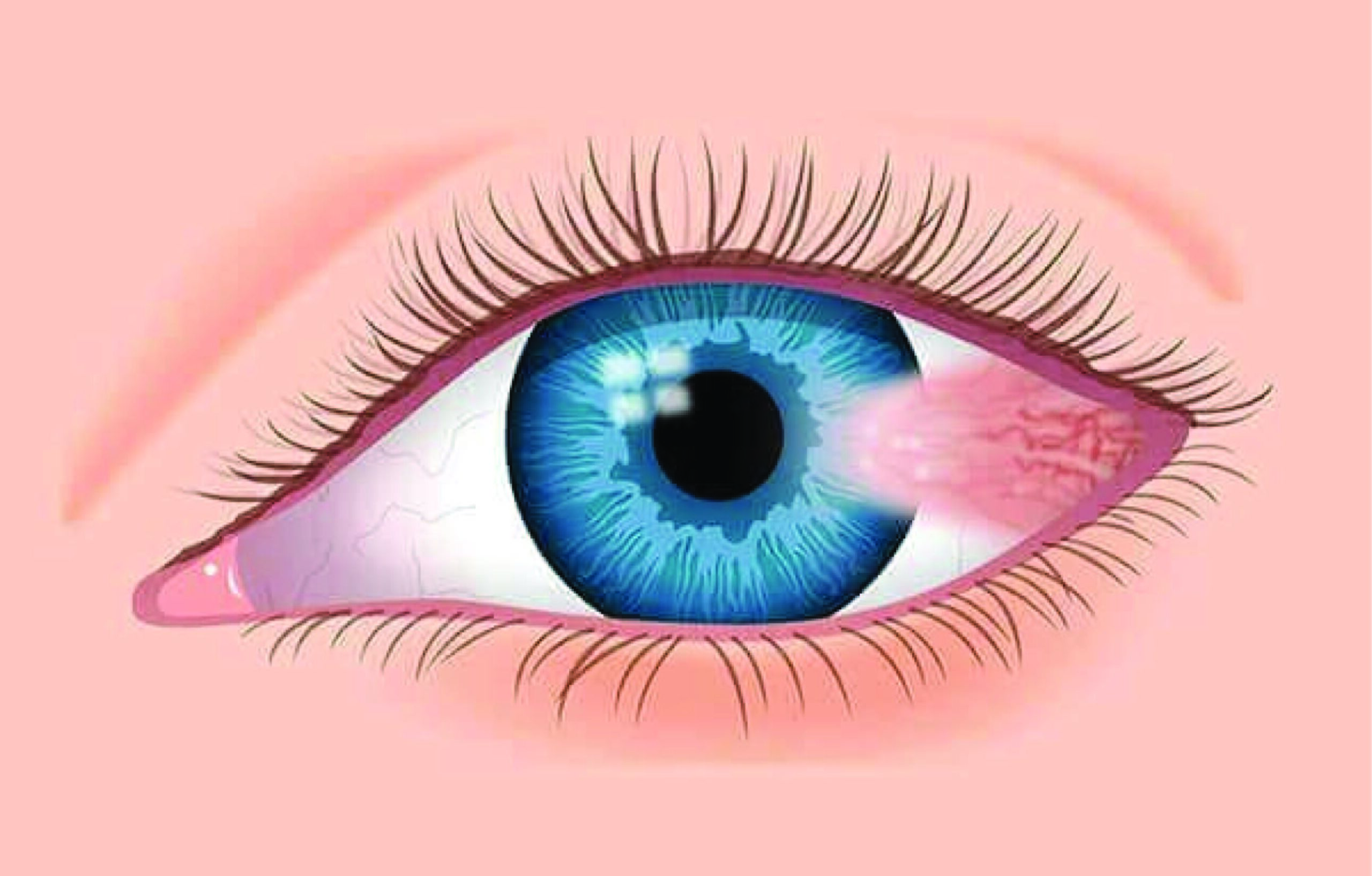
Pterygium surgery is a procedure used to remove a pterygium, which is a non-cancerous growth of tissue on the conjunctiva (the clear tissue covering the white part of the eye) that can extend onto the cornea. Pterygia are often caused by prolonged exposure to ultraviolet (UV) light and other environmental factors.
Here's an overview of pterygium surgery:
Preoperative Assessment
Before the surgery, your ophthalmologist will conduct a thorough examination of your eyes to evaluate the size, location, and characteristics of the pterygium. They will also assess your overall eye health.
Anesthesia
Pterygium surgery is typically performed under local anesthesia, which means you’ll be awake during the procedure, but the eye will be numbed to prevent pain.
Removal of the Pterygium
The surgeon will carefully lift and remove the pterygium from the surface of the eye. In some cases, a small portion of the underlying conjunctiva may also be removed to prevent recurrence.
In traditional pterygium surgery, the surgeon may use sutures to close the area where the pterygium was removed.
Grafting (if necessary)
In some cases, to reduce the risk of recurrence, a thin piece of tissue (graft) from another part of the eye or a synthetic material may be used to cover the area where the pterygium was removed. This is known as a conjunctival autograft or a conjunctival autologous transplantation.
Closure of Incisions (if needed)
If a graft is used, it will be secured in place with tiny sutures. These sutures are typically very fine and will dissolve on their own over time.
Postoperative Care
You’ll receive instructions for postoperative care, which may include using prescribed eye drops, wearing an eye shield, and avoiding certain activities to promote healing and reduce the risk of infection.
Recovery
It may take several weeks for the eye to fully heal after pterygium surgery. During this time, you may experience some discomfort or blurry vision.
Follow-up Appointments
You’ll have several follow-up appointments with your eye surgeon to monitor your progress and ensure that your eye is healing properly.
Pterygium surgery is generally considered safe and is successful in removing the growth. However, like any surgical procedure, it does carry some risks, including the possibility of recurrence. Your ophthalmologist will discuss these with you before the procedure.
Always consult with a qualified healthcare professional or ophthalmologist for the most current information regarding pterygium surgery.