

Strabismus Surgery
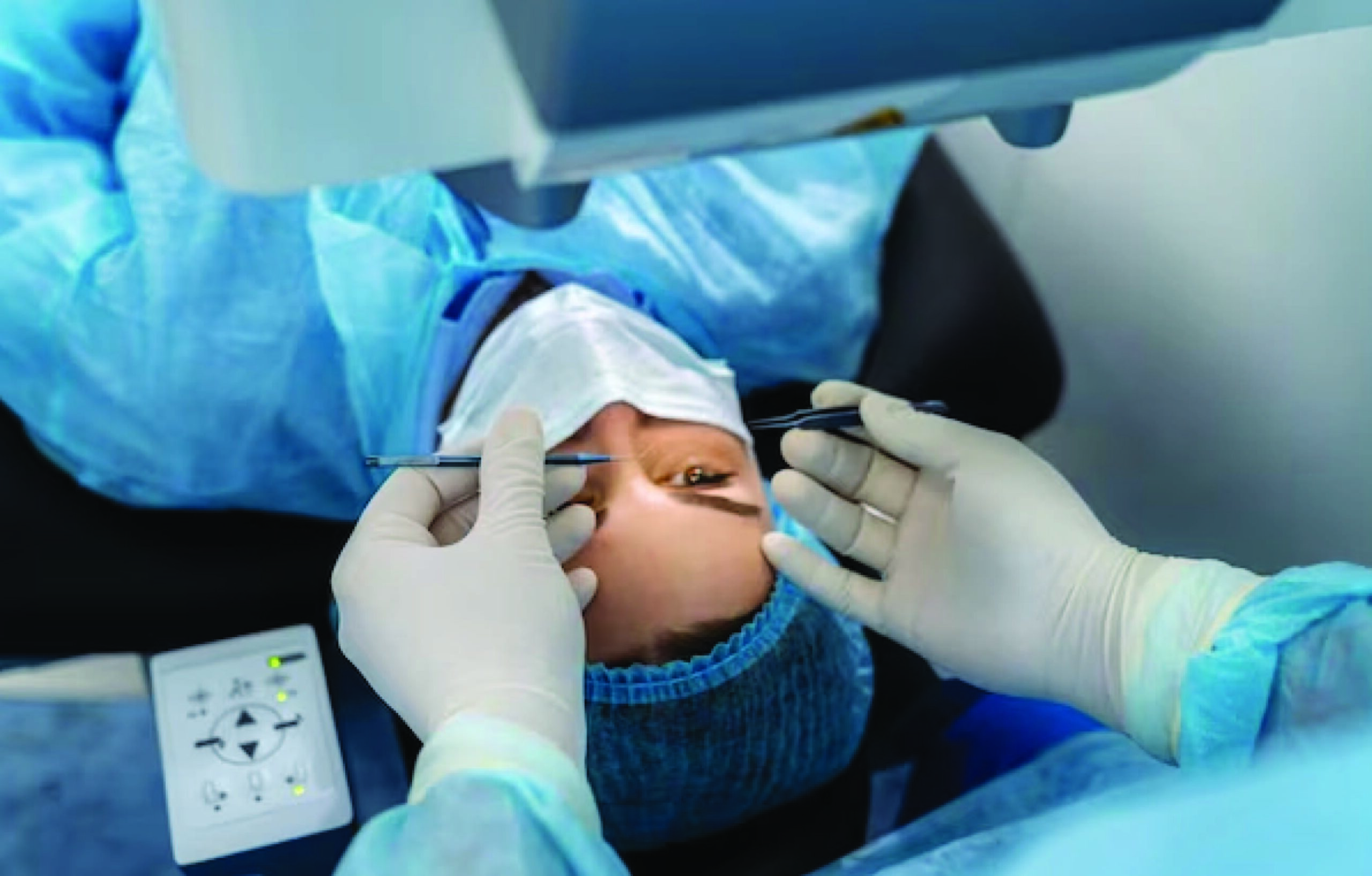
Strabismus Surgery
Strabismus surgery, also known as eye muscle surgery, is a procedure used to correct misaligned eyes, a condition where the eyes are not properly aligned and do not work together. One eye may turn in, out, up, or down while the other looks straight ahead. This misalignment can lead to double vision, poor depth perception, and other visual issues.
Here's an overview of strabismus surgery:
Preoperative Assessment
Before the surgery, a comprehensive eye examination is conducted to determine the extent of the misalignment and to plan the surgical procedure.
Anesthesia
Strabismus surgery is typically performed under general anesthesia, especially for children. However, in some cases, it may be done under local anesthesia or with the use of sedation.
Adjustment of Eye Muscles
During the surgery, the eye muscles are adjusted to correct the misalignment. This is achieved by either weakening or strengthening the appropriate eye muscles, depending on the type of strabismus.
Adjustment Verification
After the surgical adjustments are made, the surgeon verifies that the eyes are properly aligned before concluding the procedure.
Postoperative Care
You’ll receive instructions for postoperative care, which may include using prescribed eye drops or ointments to prevent infection and inflammation.
Recovery and Follow-up
Recovery time can vary, but most patients can resume normal activities within a few days to a few weeks. Follow-up appointments with your ophthalmologist will be scheduled to monitor your progress.
It’s important to note that strabismus surgery is usually highly successful in aligning the eyes. However, it may not completely restore normal vision or depth perception, especially if the condition has persisted for a long time.
As with any surgical procedure, there are risks involved, and your ophthalmologist will discuss these with you before the surgery. The specific surgical approach chosen will depend on the type and severity of the strabismus, as well as the surgeon’s judgment.
Always consult with a qualified healthcare professional or ophthalmologist for the most current information regarding strabismus surgery.